

Welcome to Dr. Sun's Nanomaterials and Energy Group
| Highlight | ||||||
 | |
Interests | |
|
| |
|
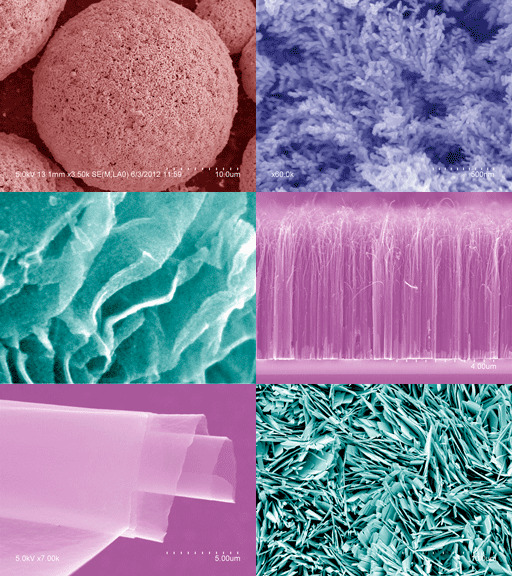
Our research is focused on nanomaterials for clean energy. The scope of research ranges from fundamental science, to applied nanotechnology and to emerging engineering issues - with a unifying theme centered upon development and application of novel nanomaterials for energy systems and devices. Specifically, our research activities are currently concentrated on developing various approaches to synthesize low-dimensional nanomaterials such as carbon nanotubes, graphene, semiconducting and metal nanowires, nanoparticles and thin films as well as exploring their applications as electrochemical electrodes for energy conversion and storage including fuel cells and Li batteries. |
 |
|
| |
| 1. Controlled Synthesis of Nanostructured Materials | |||
|
The work on nanostructured synthesis includes three aspects: (i) nano carbon synthesis including carbon nanotubes (CNTs), doped CNTs, graphene and doped grapheme; (ii) nanowires, non-carbon nantubes and core/shell structure; and (iii) thin films and nanocomposites such as atomic layer deposition (ALD). The focus is on the synthesis, characterization, structure and properties of the nanostructures, with special emphasis on the fundamental understanding of their growth mechanisms and structural control.
For CNT work, various chemical vapor deposition (CVD) methods have been
developed including (i) a floating catalyst CVD method (using a solid
hydrocarbon source); (ii) an Ohmically heated and specially designed CVD
method (using a gas hydrocarbon source); (iii) an aerosol-assisted CVD
method (using a liquid hydrocarbon source); (iv) injection spray CVD method;
and (d) a plasma-enhanced CVD (PECVD) method.
For nanowire work,
the approaches we are
using include chemical vapor deposition, template and solution-based routes. |
|||
| Typical papers from our group: | |||
(i) CNTs and Graphene |
|||
(ii) Nanowires
and core/shell structures |
|||
(iii) Atomic layer deposition for thin films
and composites |
|||
| 2. Development of Low-Cost and High-Performance PEM Fuel Cells | |||
| High cost and low stability are two main
challenges for fuel cells. We are addressing them by developing novel
catalysts and catalyst supports for proton exchange membrane fuel cells
(PEMFCs). We have developed carbon nanostructures (e.g. carbon nanotubes,
nitrogen-doped CNTs and graphene) and non-carbon nanostructures (e.g. metal
oxide nanowires) as Pt catalyst supports and it was demonstrated that they
showed superior performance than commercially-used carbon black as support.
The focus of this research is to fabricate three-dimensional and highly efficient fuel cell electrodes by using advanced nanomaterials such as nanotubes and nanowires synthesized in Dr. Sun’s lab as supports for Pt-based nanoparticle electrocatalysts. It is expected that integrated three-dimensional nanotube- and nanowire-based fuel cell electrodes will be the ideal materials for providing a higher catalytic performance, high catalyst utilization, efficient mass transport, and a longer fuel cell operational life. This innovative research could significantly lower the cost (toward the commercially visible target) and improve the stability of fuel cells, thereby accelerating the fuel cell commercialization process. |
|||
| Typical papers from our group: | |||
1. S. Sun, G. Zhang, D. Geng, Y. Chen, R. Li, M. Cai, X.
Sun, A New Highly Durable Pt Nanocatalyst for PEM Fuel Cells: the Multiarmed
Star-like Nanowire Single Crystal. Angew. Chem. Int. Ed. 50 (2011) 422-426.
(VIP Paper & Cover Page, Highlighted by "Nature
Nanotechnology") |
|||
|
| |||
| 3. Nanostructured Electrodes for Lithium Ion Batteries | |||
|
|
|||
| Lithium-ion battery (LIB) is one of the most promising power systems because it can offer a higher operative voltage and energy density. Our group got involved in the development of novel nanomaterials as cathodes and anodes for LIB. At cathodes, we focus on understanding and synthesis of LiFePO4/carbon composites and various coatings on NMC. At anodes, we are working on nanocarbon, Sn- and Si-based nanostructures. | |||
|
|
|||
| Typical papers from our group: | |||
|
|
|||
1. J. Wang, R. Li, X. Sun, Understanding and
Recent Development of Carbon Coating on LiFePO4 Cathode Material for
Lithium-ion Batteries. Energy Environ. Sci. 5 (2012) 5163-5185. (Top 25
most-read Energy & Environmental Science articles from Q2 2012) |
|||
| 4. Nanostructured Electrodes for Lithium Air Batteries | |||
|
| |||
|
| |||
|
| |||
| Typical papers from our group: | |||
|
| |||
|
1. J. Wang, Y. Li, X. Sun, Challenges and Opportunities of Nanostructured
Materials for Aprotic Rechargeable Lithium-oxygen Batteries. Nano Energy
(2013) in press. | |||
|
| ||
Facilities | ||
|
| ||
| Nanomaterials | Fuel Cells | Lithium Batteries |
|
| ||
| Nanomaterials | |||
|
| |||
| 1.Synthesis of Nanomaterials | |||
|
| |||
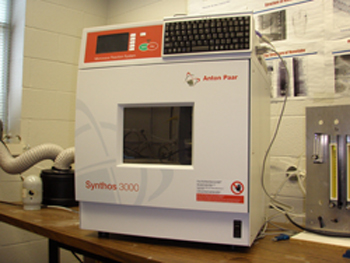 |
Microwave-assisted Hydrothermal Oven | ||
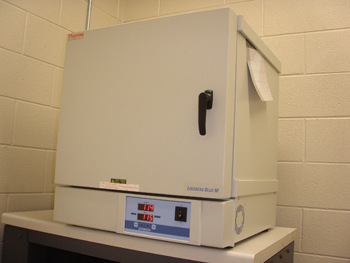 |
Hydrothermal Oven | ||
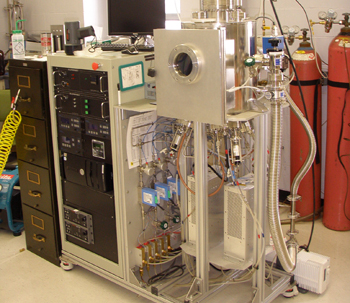 |
Plasma-Enhanced Chemical Vapor Deposition (PECVD) + Sputtering System | ||
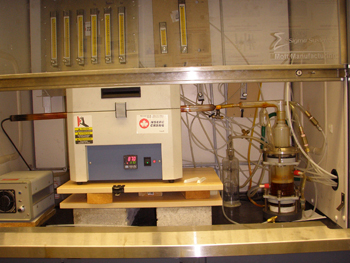 |
Aerosol-Assisted Chemical Vapor Deposition | ||
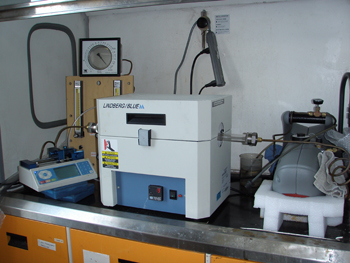 |
Injection Chemical Vapor Deposition | ||
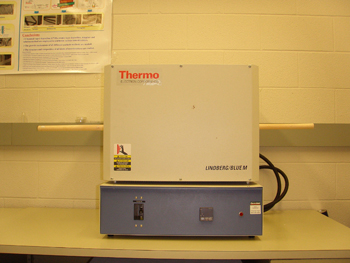 |
Thermal Chemical Vapor Deposition | ||
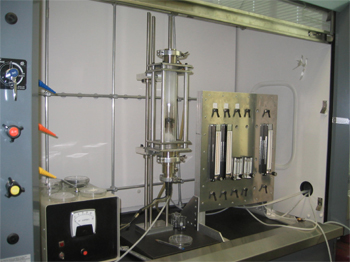 |
Joule-Heating Chemical Vapor Deposition | ||
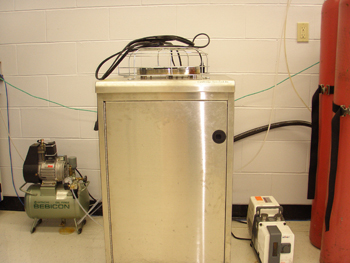 |
Atomic Layer Deposition | ||
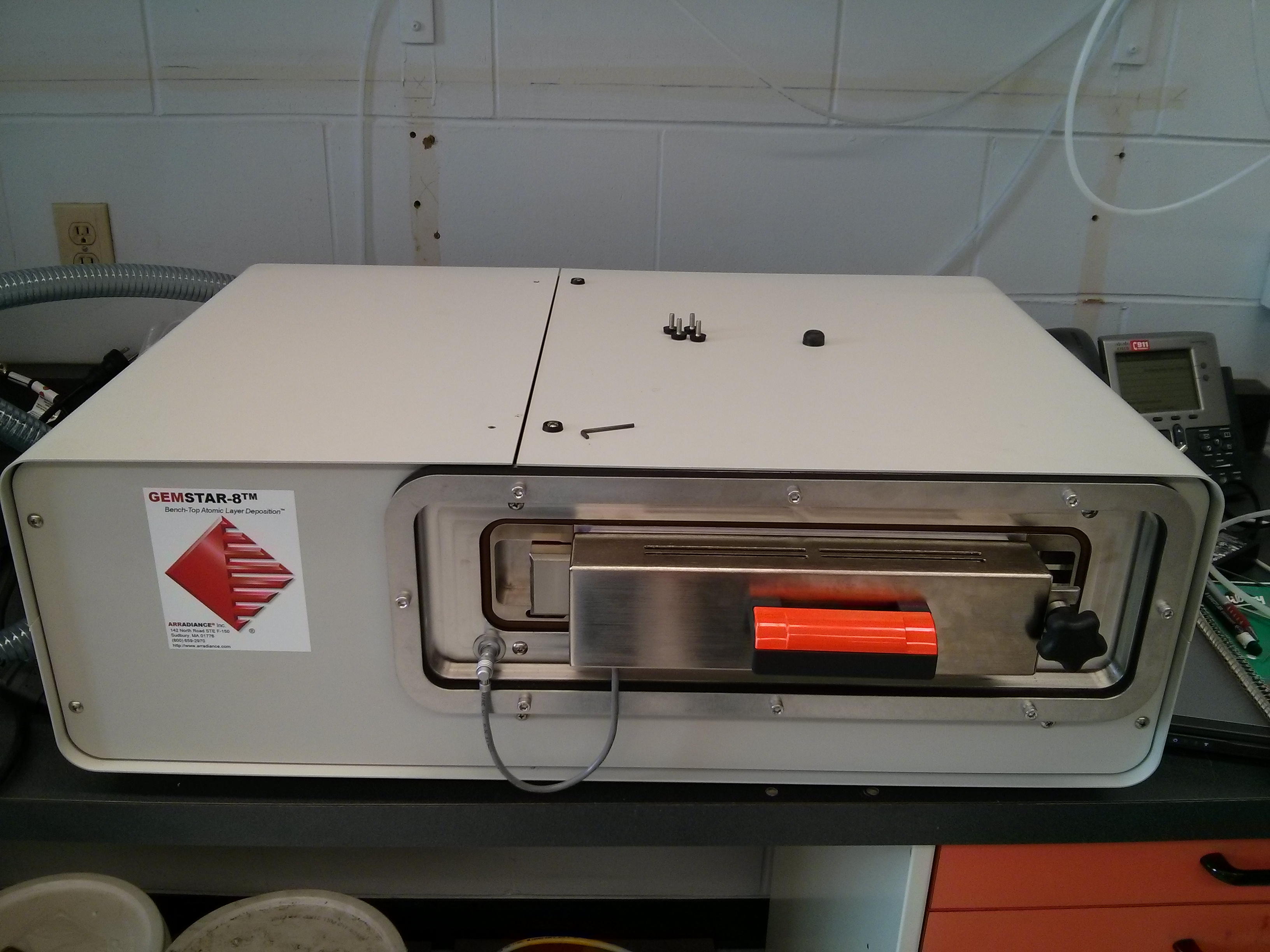 |
Atomic Layer Deposition | ||
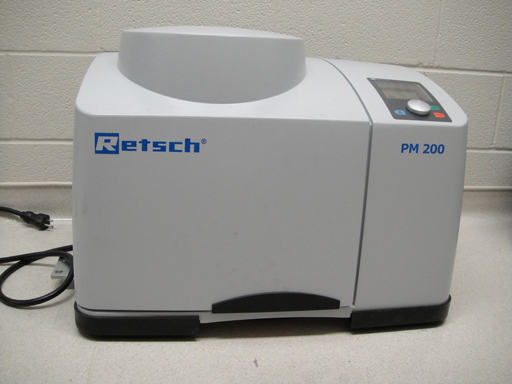 |
Ball-milling Machine | ||
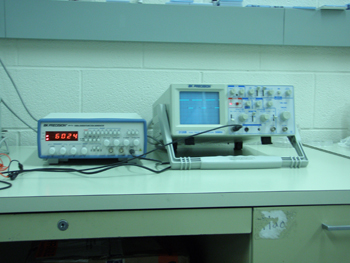 |
Template-Assisted Device | ||
|
| |||
| 2.Characterization of Nanomaterials * | |||
| UWO Internal | External | ||
|
| |||
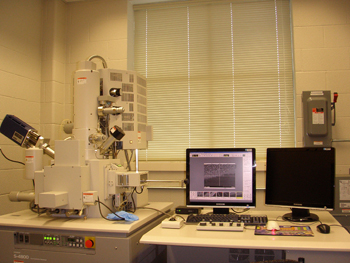 |
High-Resolution Field-Emission Scanning Electron Microscopy (Hitachi
4800) (with in-situ capability of nanomaterials) |
$100/hr | $250/hr |
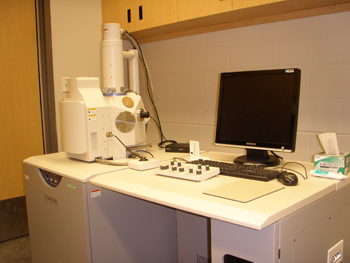 |
Environmental Scanning Electron Microscopy (Hitachi 3400N) | $70/hr | $160/hr |
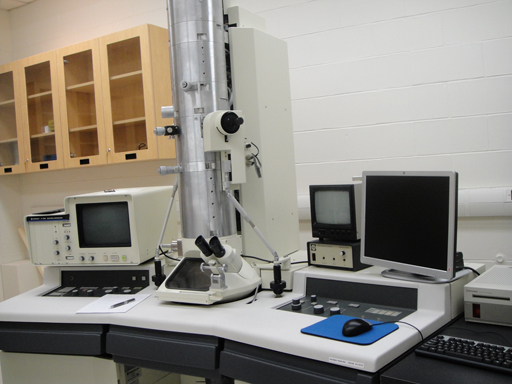 |
Transmission Electron Microscopy (Hitachi 7000) | $100/hr | $300/hr |
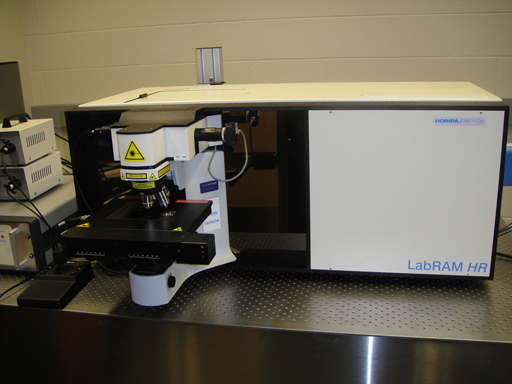 |
Research Raman Spectroscopy System (HORIBA Scientific LabRAM HR) | $100/hr | $300/hr |
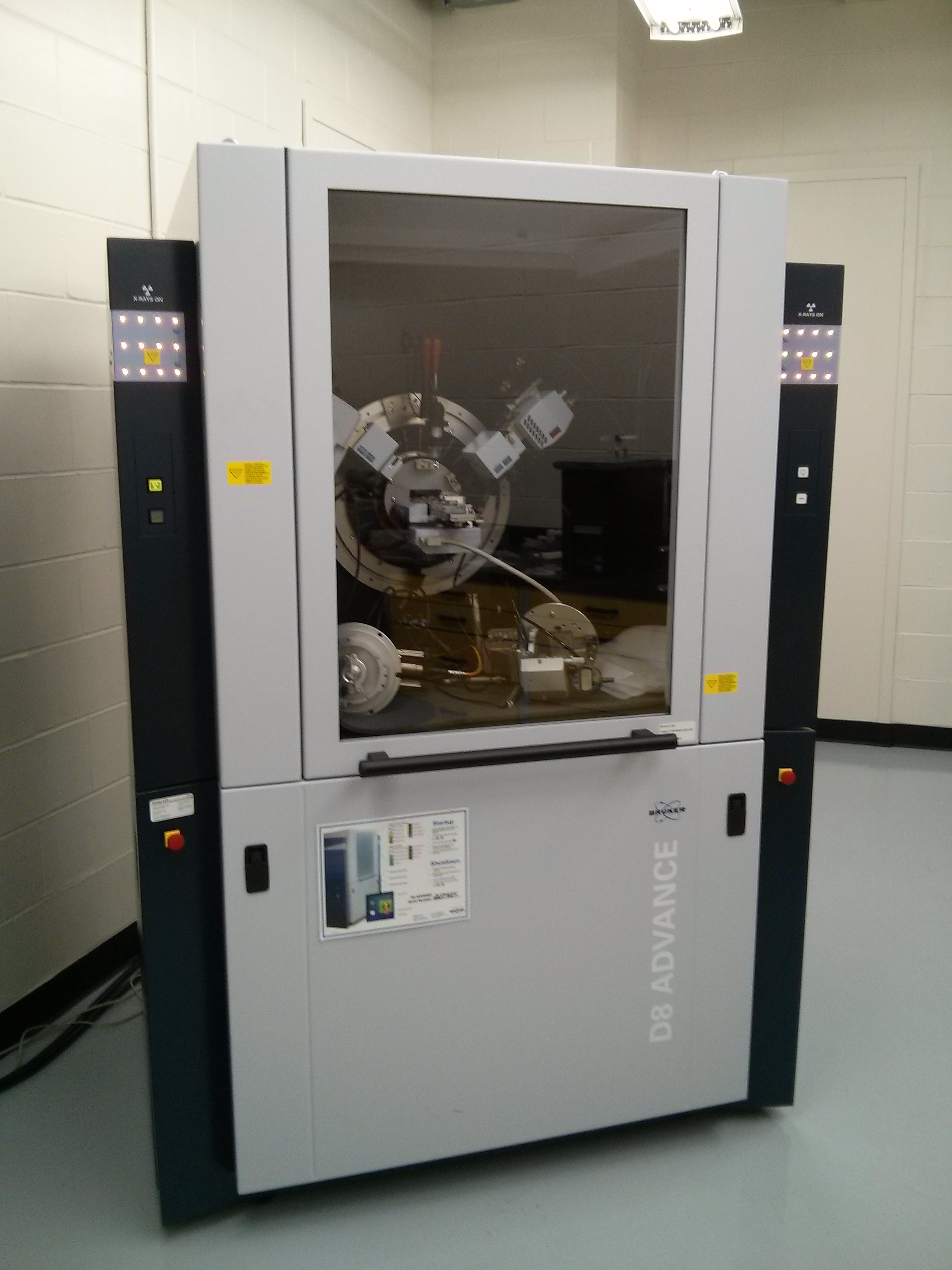 |
X-ray Diffraction System (Bruker D8 Advance) | ||
|
| |||
| Fuel Cells | |||
|
| |||
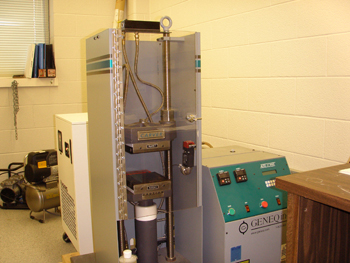 |
Hot Press for MEA | ||
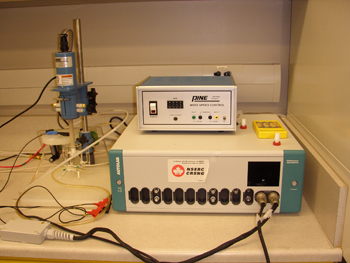 |
Potentiostat/Galvanostat (AutoLab) | ||
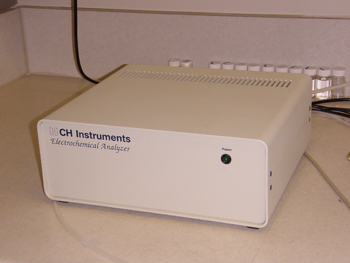 |
Electrochemical Station (CHI) | ||
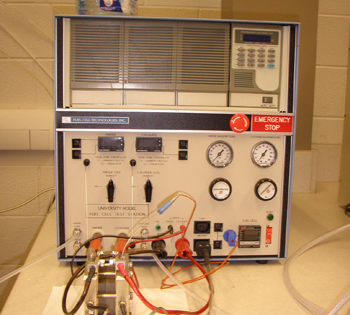 |
Fuel Cell Test Station | ||
|
| |||
| Lithium Batteries | |||
|
| |||
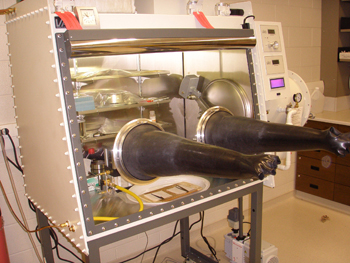 |
Glove Box | ||
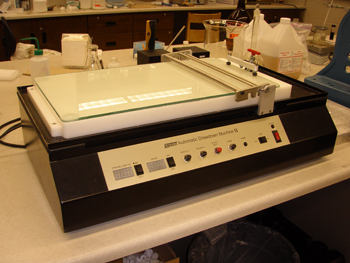 |
Automatic Drawdown Machine | ||
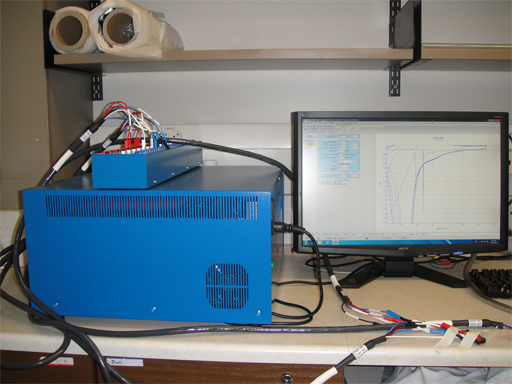 |
Potentiostat/Galvanostat/EIS (VMP3) | ||
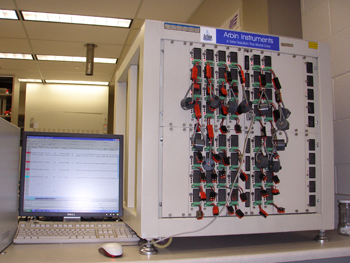 |
Batteries Test Station (Arbin BT2000) | ||
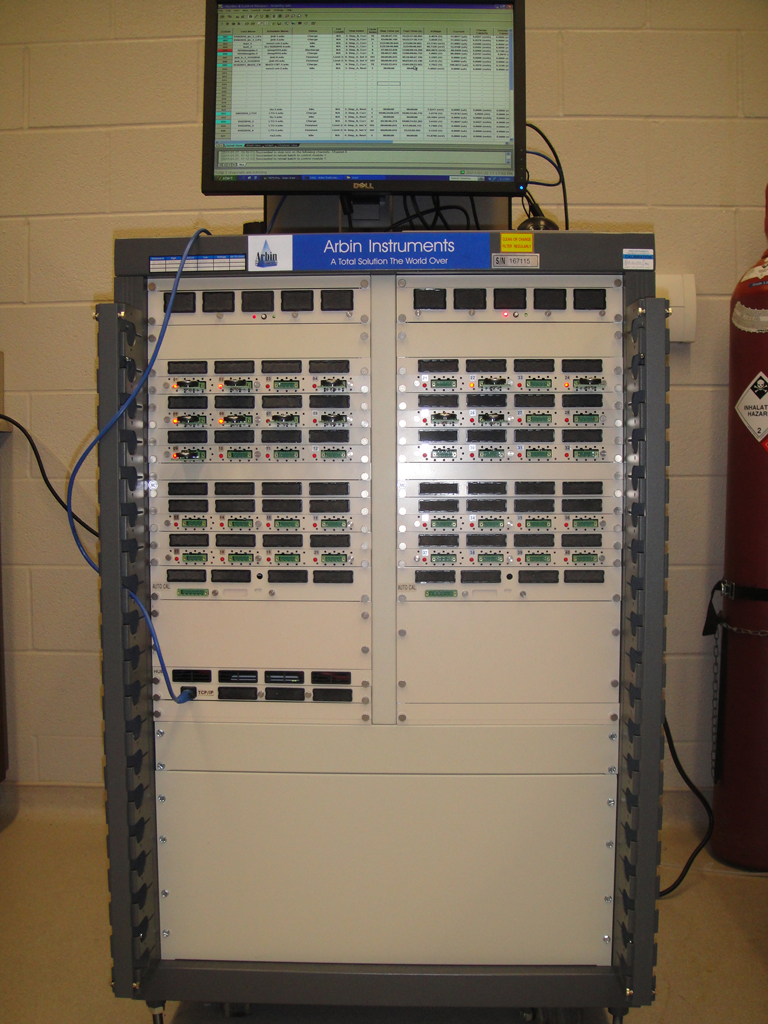 |
Batteries Test Station (Arbin BT2000) | ||
|
| |||
* Information for sample analysis please
contact: rli65@uwo.ca
** In addition to the instrumentation
shown above we also have access to other facilities available (XPS,
SIMS, FIB) at the UWO Nanofabrication
Laboratory and
Surface Science Western.
|
| ||
Funding | ||
|
| ||
| Many Thanks... | ||
|
| ||
 |
 |
 |
|
| ||
 |
 |
 |
|
| ||
 |
 |
 |
|
|
||
|
| ||


The University of Western Ontario
London, Ontario, Canada, N6A 5B9 Tel: 519 661-2128
Updated February 01,2010 by contactWE
See our policies on Privacy, and Web Standards